
Make an AI Romance Movie with Emotional Depth
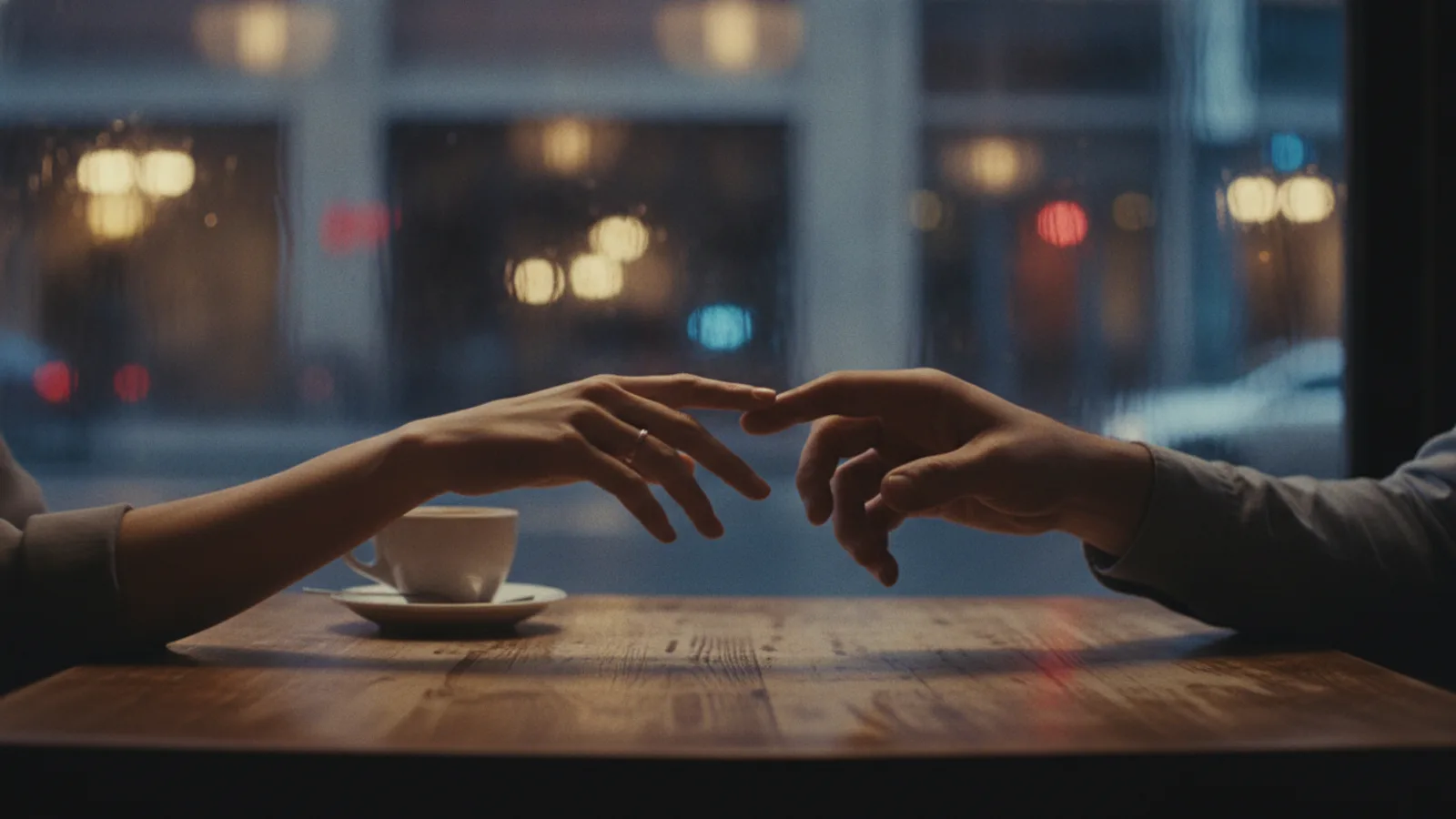
The spark of a great romance story can come from anywhere—a fleeting glance, a shared secret, a long-lost letter. Bringing that feeling to life visually can be the biggest hurdle. With an AI movie maker, you move directly from your ideas to a visual story, but the true art lies in guiding the technology to capture the emotional core. The goal is to make an AI romance movie that feels authentic, not just generated.
This process is less about typing a single command and more about using your creative direction to shape the narrative, one meaningful scene at a time. You're the director, and the AI is your crew. We'll walk through how to use built-in structures and specific, emotional prompts to craft a love story that resonates.
Build Your Story on a Classic Framework
Every memorable romance follows a compelling structure. It gives your audience a familiar rhythm while leaving room for your unique characters and twists. Rather than starting from a blank slate, you can leverage built-in frameworks that outline these classic journeys.
Start by exploring genre-specific templates for love-story arcs. For example, a “Second Chance” template might outline the key beats: the initial meeting, the painful separation, the unexpected reunion, and the climactic choice. A “Forbidden Love” template could highlight the stakes, the secret meetings, and the moment of confrontation. Using these templates saves you from wrestling with plot mechanics and lets you focus on the emotional details that make your story special. You can find these starting points by browsing the romance collection, where each framework is ready to customize.
These frameworks are a blueprint, not a prison. Your job is to furnish the rooms with your specific characters, their dialogue, and the small, intimate moments that define their relationship. Think of the template as the three-act screenplay; you are filling it with the director’s notes and the actors' performances.
Craft Scenes with Emotional-Beat Prompts
This is the most crucial step for moving from a generic video to a moving scene. A vague prompt like “two people in love” yields generic, forgettable imagery. Instead, you must write prompts that function as emotional-beat prompts, which combine a vivid setting + hook to drive the scene.
The setting grounds the moment. The hook injects the emotion and action. For instance:
- Weak prompt: “A couple on a date.”
- Strong emotional-beat prompt: “A quiet, rain-streaked diner at 2 AM, a couple shares a milkshake, their hands almost touching on the table, a silent understanding passing between them after a difficult conversation.”
Notice the difference? The second prompt gives the AI a clear visual (diner, rain, night) and, more importantly, the emotional subtext (silent understanding, aftermath of difficulty). This approach is how you guide the AI to generate specific, evocative frames that serve your story. The key is to always ask: what is the feeling of this scene, and what specific visual details would convey that feeling?
Sequence Your Moments for Maximum Impact
An AI love story is built scene by scene. Think cinematically. Don't just jump from “first meeting” to “happy ending.” Map out the key emotional transitions.
- The Catalyst: How do they meet? Use an emotional-beat prompt to define the tone—is it awkward, funny, or electrically charged?
- The Connection: Show a scene that proves their compatibility beyond initial attraction. Maybe they work on a project together or reveal a vulnerability.
- The Complication: Introduce the obstacle. Is it external (distance, society) or internal (fear, a secret)? Portray the tension.
- The Climax: The make-or-break moment. This requires your most detailed prompt to capture high stakes and raw emotion.
- The Resolution: Show the new normal. Is it a passionate kiss or a quiet, contented smile? The feeling should reflect the journey.
As you assemble these scenes in the editor, you’re essentially editing your film. You can rearrange beats, refine the prompts for consistency, and ensure the visual style remains cohesive from one scene to the next. This is where your role as auteur comes to the forefront, shaping the final narrative flow.
Refine and Share Your Romantic Vision
Once your core scenes are generated, the polish begins. Most platforms offer tools to fine-tune your romance AI film maker project. This is where you add the final layer of artistry.
First, review for consistency. Do the characters’ looks hold from scene to scene? If not, you may need to adjust your character descriptions in prompts or use consistent reference images. Next, consider pacing. Does a scene drag? You might shorten it or replace it with a more impactful image. Finally, add the final touches: a curated soundtrack that matches the emotional arc, subtle text overlays for key lines of dialogue or setting the time, and smooth transitions that don't distract from the story.
Your finished movie is ready to share. Export it and upload it to your profile to connect with an audience that loves romance stories. You can also watch what other creators are making to see how they frame their love stories, gathering inspiration for your next project. When you are ready to direct your own, start your first romance scene and build from a single emotional beat. If you want to expand your creative options, from longer formats to more stylistic controls, the advanced studio editing tools give you finer control over pacing, style, and sound.
A Quick Pre-Production Checklist
Before you generate a single frame, run through these questions. They keep your AI love story focused and save you from regenerating scenes later:
- What is the central want? Each character should want something specific. "To be loved" is vague; "to be forgiven by the person they hurt" is a story.
- What is the one obstacle? Pick a single, clear barrier. Juggling distance, a secret, and a rival at once muddies every scene.
- What is the turning point? Know the moment that changes everything before you write prompts around it.
- What is the final image? Decide how you want the audience to feel in the last shot, then work backward.
Common Mistakes to Avoid
A few habits quietly drain the emotion out of an otherwise strong romance AI film maker project. Watch for these:
- Prompting the plot, not the feeling. "They break up" tells the AI nothing visual. "She sets his key on the counter without looking up" shows it.
- Inconsistent characters. If your lead has auburn hair and a leather jacket in scene one, keep those exact details in every later prompt or use reference images so the face holds.
- Skipping the quiet beats. Dramatic moments land harder when a small, tender scene comes right before them. Resist cutting straight to the climax.
- Generic settings. "A park" is forgettable. "A park bench under a flickering streetlight after the last bus has gone" gives the scene a mood and a clock.
Specificity is what makes a generated scene feel directed rather than random. Each story you finish makes the next one easier to envision and execute.
- Can I create a full-length romance movie with AI?
- You can create complete, narrative-driven short films. The process involves generating a series of key scenes and sequencing them into a coherent story with emotional beats, music, and text. It's ideal for compelling short-form stories that capture a romantic arc, from meet-cute to resolution, rather than a feature-length runtime.
- How do I make my AI-generated romance scenes look more cinematic?
- Use detailed, emotional-beat prompts. Instead of 'a couple arguing,' describe the setting and subtext: 'a heated whisper-argument in a crowded museum gallery, inches apart, trying not to be overheard, with tears of frustration in one character's eyes.' This gives the AI specific visual and emotional cues for a more cinematic, directed output.
- Where can I find inspiration or templates for romance plots?
- Start by browsing the dedicated romance section for story frameworks. These templates provide classic love-story arcs (like second-chance romance or forbidden love) that you can customize with your own characters and details. Seeing other creators' work can also spark ideas for your unique take on the genre.
Written with AI assistance and edited by the Cinely Team.