
Make an AI Comedy Video That's Actually Funny
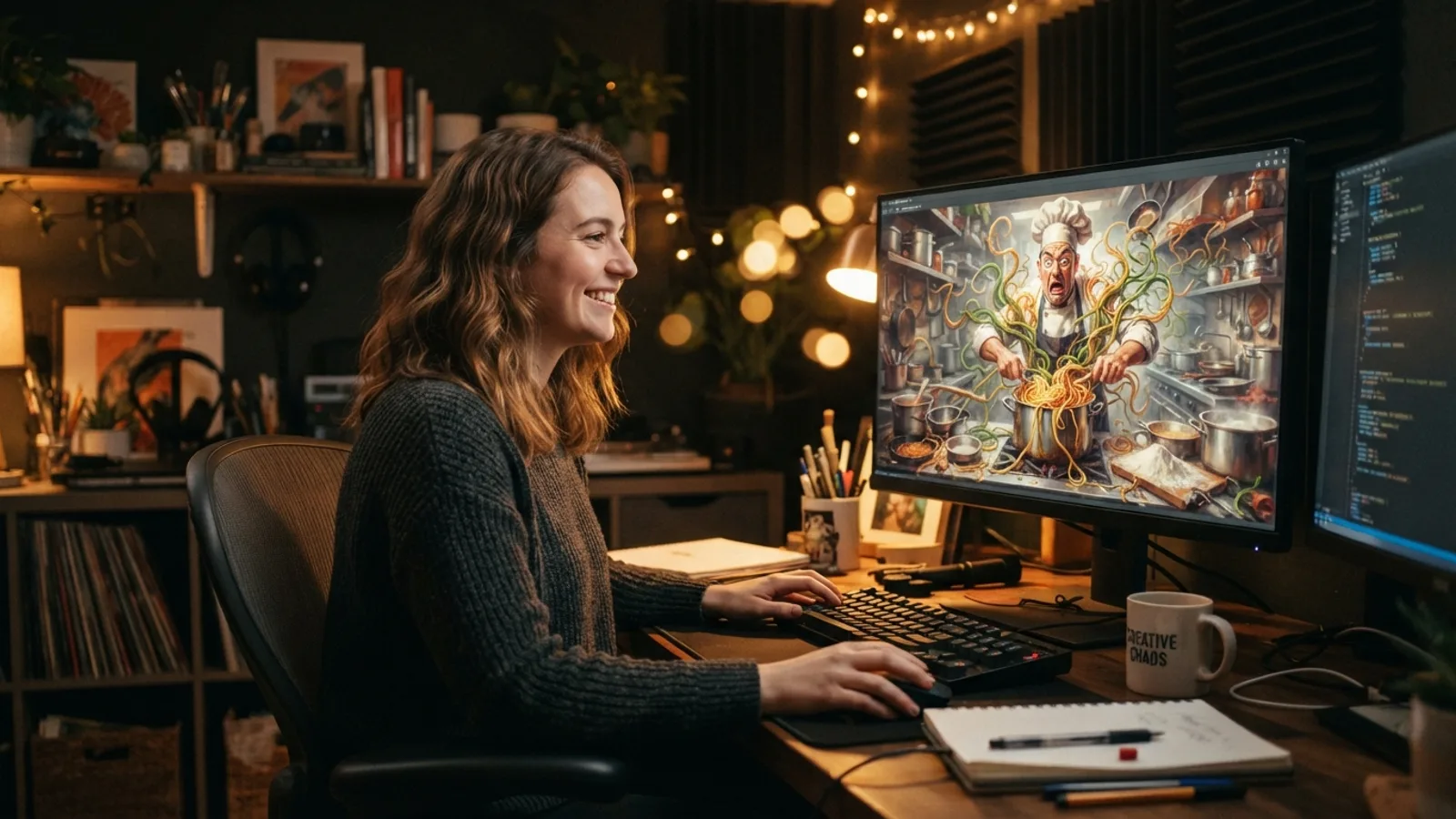
A great joke lands because of a specific combination of timing, surprise, and relatability. You don't just tell the AI to "make a funny AI comedy video" any more than you'd tell a new writer to "write a funny sketch." You provide structure, character, and a situation primed for humor. That’s how you get results worth sharing, not just random wackiness. Building a successful short starts with a specific prompt strategy and using the tools, like Cinely's comedy templates, that are designed to work with your ideas, not replace them. This guide breaks down the practical steps to turn your comedic premise into a finished video with clear beats and authentic laughs.
Start With a Situation, Not a Punchline
The AI isn't a stand-up comedian; it's a scene director. Don't ask it to generate jokes. Instead, give it a comedic situation—a character in a specific setting facing a clearly defined, awkward, or ironic problem. For example, a prompt like "make a funny video of a guy at work" is too vague and will produce generic, low-quality humor. A prompt like "A highly serious office manager desperately trying to act casual during a surprise video call with corporate while his cat knocks over a prized succulent in the background" gives the AI a rich scenario to work with. It knows the character (serious manager), the conflict (trying to look casual), and the escalating situation (the cat). This is the foundation for staged comedic moments, which consistently prompt better results than simply demanding something be funny.
Structure Your Prompt for Comedic Timing
Structure is the skeleton of your comedy skit. A strong prompt outlines the key beats, guiding the AI to build a narrative arc rather than a collection of random gags. Think in three acts: the setup, the complication, and the resolution or escalation. In your prompt, describe these moments. For instance: 1. SETUP: A person meticulously prepares a "simple" homemade gift. 2. COMPLICATION: Every step goes slightly, hilariously wrong (ingredients spill, glue sticks to them). 3. ESCALATION: They present the disastrous final product with unwavering pride. By prompting for this sequence, you're directing the AI's narrative flow, which is crucial for landing a joke. You're not scripting every line; you're setting the stage for the AI to fill in the comedic details within a framework that works. For inspiration and to see this structure in action, browse the premade stories on Cinely’s comedy genre page.
Use Cinely’s Comedy Templates as Your Launchpad
Starting from a blank page is hard. Cinely’s comedy templates for feel-good, laugh-out-loud stories are designed to solve that. They aren't rigid scripts but rather proven story frameworks. You might see a template titled "Neighborly Nuisance" or "Mismatched Roommates." These templates provide a strong situational premise, character archetypes, and a suggested plot progression. Your job is to personalize it. Swap the characters, change the setting, or add a specific, quirky detail that makes it your own. Using a template ensures you have a solid comedic foundation, so you can focus your creative energy on customization and the specific prompt details that will make the scene pop, rather than struggling with basic plot logic.
Iterate, Don’t Just Generate
Your first generation is a first draft. The real magic happens in iteration. Watch the generated short. Identify what almost works. Was the buildup good but the payoff weak? Was a character's reaction not quite exaggerated enough? Use the AI's editing tools to refine. You can regenerate a specific scene with a new prompt like, "Same scene, but the character’s reaction is more visibly horrified and slow-motion." Or you can add a new shot for a better punchline. Treat the process like working with a collaborative director—you give notes based on what you see, steering the output closer to your comedic vision with each pass. This iterative approach is what separates a throwaway clip from a polished comedy short. Ready to start building? Head to the Cinely Studio to begin your first draft.
Add the Final Polish
Once you're happy with the sequence of scenes, sound design and pacing become your final tools. A well-timed sound effect (a record scratch, a slide whistle) can elevate a visual gag. Consider the pacing between shots—does a moment need to linger for the joke to breathe, or should the cuts be quick and chaotic for slapstick? Cinely provides tools to adjust timing and add audio layers. Even simple choices, like using a deadpan narrator for an otherwise absurd scene, can create a hilarious contrast. The polish stage is where you fine-tune the rhythm and enhance the atmosphere, turning a good sequence of jokes into a cohesive and professional-looking comedy short.
Share, Learn, and Adapt
When your AI comedy video is complete, share it. Publish it on your Cinely creator profile to see how viewers react. Which moments get the most laughs? Did a joke you thought was subtle land perfectly, or did a different moment steal the show? Use this as real-world feedback. You can also watch other creators' successful comedy shorts on the watch page to analyze their structure and timing. Learning what works for others will sharpen your own prompt strategy. The process of making an AI comedy video is a cycle: create, share, learn, and apply that knowledge to your next, even funnier project.
- Why does my prompt 'make a funny video' create bad content?
- "Funny" is a subjective result, not a usable instruction for an AI. It doesn't know your sense of humor. You need to provide the ingredients of comedy: a specific character, a clear setting, and an awkward or ironic situation. For example, "a knight terrified of a tiny spider in his armor" gives the AI concrete elements to build a humorous scene around, leading to a better outcome than a vague command.
- What are Cinely's comedy templates, and how do I use them?
- Cinely's comedy templates are pre-built story frameworks designed for feel-good, laugh-out-loud shorts. They provide a reliable comedic situation and structure, like a misunderstanding between rivals. You select a template as your starting point, then personalize it by changing details, characters, or adding your own unique twist to the prompt. They save you from building a plot from scratch so you can focus on the funny details.
- Can I make money from the AI comedy videos I create?
- Yes, on Cinely you can earn as a creator. The specifics of the earning model are detailed on the platform's Coins and Premium pages. Generally, engaging content that attracts viewers can contribute to your creator profile's performance within the Cinely ecosystem.
Written with AI assistance and edited by the Cinely Team.