
Mastering Series Hooks for AI-Generated Shows
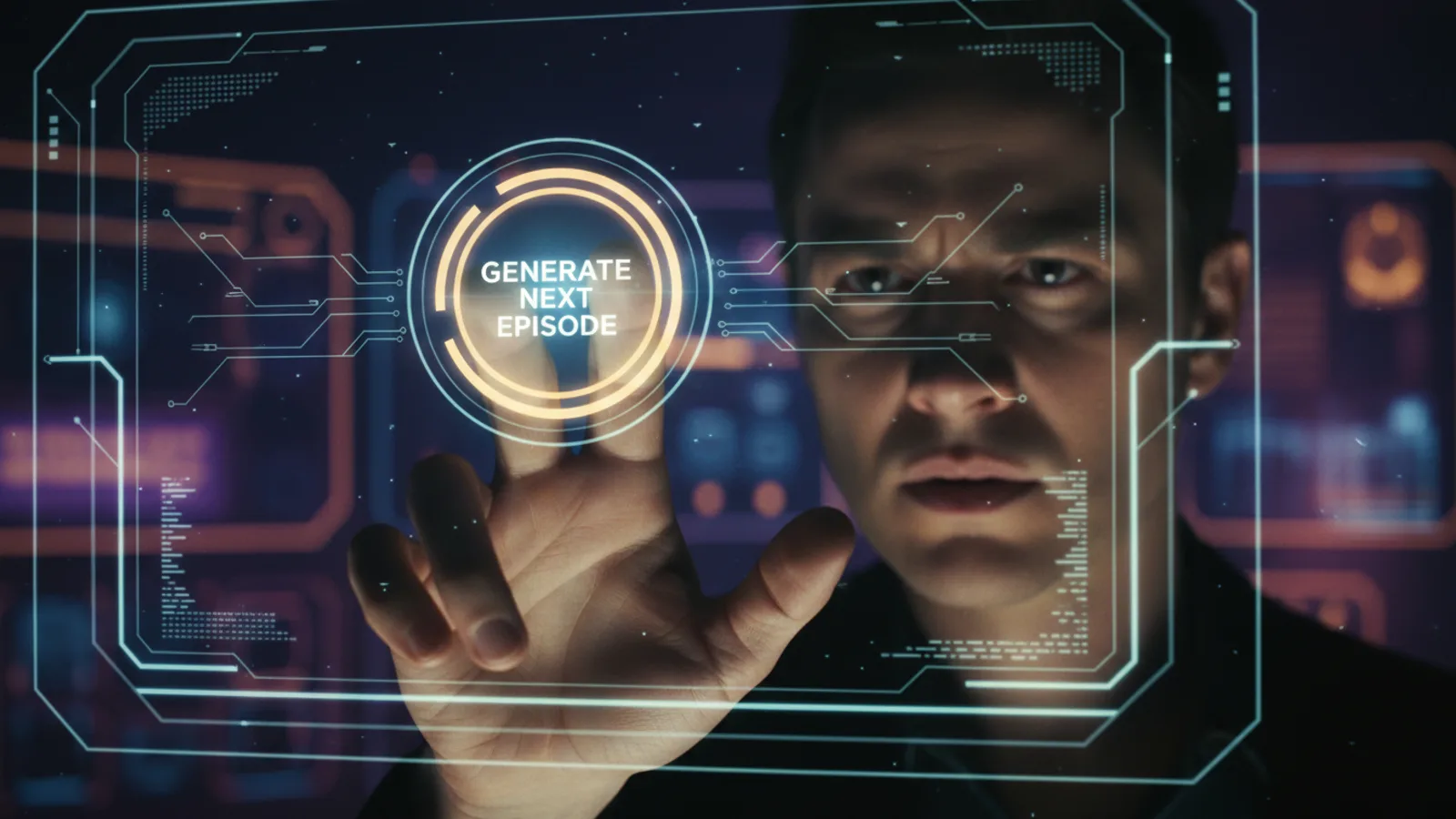
You’ve built the world, designed the characters, and set your AI to generate. The first episode is ready. But what brings a viewer back for the second? What makes them want to spend their coins, or wait for the next free drop? The answer lies in your series hooks. In a streaming landscape saturated with options, the initial hook is your most vital tool for establishing a loyal audience. It’s the promise of more—a compelling question or emotional cliff that viewers need resolved. This is especially true in AI-generated series, where your creative direction steers the narrative engine. Your hook isn't just a plot point; it's the fundamental contract with your audience that the journey ahead is worth their time. On platforms like Cinely, where you choose how many episodes stay free before unlocks begin, the pressure is on. Your hook must land solidly within those free episodes, convincing a viewer that the answer is worth pursuing. The work you put into this opening act directly shapes your series' success. It’s what makes a passive watcher an active fan. Let's break down how to build that magnetic pull from the very first frame.
The Core Mechanics of a Compelling Hook
A strong hook operates on multiple levels. At its simplest, it’s an unanswered question. But the most effective questions are tied to character, stakes, or a fundamental mystery of the world you’ve built. For an AI-generated series, you have the unique advantage of limitless genre exploration—from high-stakes sci-fi to intricate mystery—but the hook must still feel human and urgent. Think beyond the simple cliffhanger of a character in peril. Consider hooks of identity (Who is the real traitor in the rebel cell?), hooks of consequence (The spell is cast, but the cost will be revealed tomorrow), or hooks of discovery (The map only shows half the treasure’s location). The key is to make the viewer feel a specific type of tension: the pleasurable frustration of not knowing, coupled with absolute confidence that you, the creator, have a plan to deliver a satisfying reveal. This builds trust. On Cinely, where analytics in your creator Studio show which series earn the most—revealing what viewers actually finish—the data underscores this. Successful series don't just present a mystery; they make the audience invest in solving it alongside the characters.
Planting Hooks Within Your Free Episodes
Your opening episodes are prime real estate. You control this runway. The goal isn't to answer every question immediately, but to establish the central dramatic tension that will propel the entire season. Introduce your protagonist's core desire or flaw in Episode 1. By the end of your designated free episode block—whether it’s one, two, or three—that desire should be thwarted, or that flaw should create a crisis that cannot be ignored. For example, in a fantasy series, Episode 1 might establish a young scribe who discovers they have forbidden magic. The hook? Using it once to save a friend leaves an irreversible, visible mark that powerful enemies can now track. The free episodes chronicle their flight and the first close call. The unlock point? The moment the tracker finally corners them, and the scribe must choose between surrender or unleashing the full, unknown power they fear. You’ve used the free episodes to build empathy and establish the rules, saving the major escalation for the unlock threshold. This strategic placement turns viewers into active participants who decide the story is worth their investment.
Beyond the Cliffhanger: Hooks of Emotion and Relationship
While physical danger is a classic tool, some of the most powerful hooks are emotional. These are especially potent in genres like romance or slice of life, where the stakes are interpersonal. A hook can be a secret confessed, a lie exposed, or a choice that fractures a relationship. Perhaps your series follows two rivals forced to collaborate. The hook isn't if they’ll succeed in their mission, but how their bitter relationship will change—and what they might sacrifice for each other. End a free episode on a moment of unexpected vulnerability: the stoic character shedding a single tear when they think no one is looking, or sharing a memory that recontextualizes their hostility. This creates a different kind of anticipation. Viewers return not just to see what happens next, but to see how the characters feel about what happens next. This emotional investment is a powerful retention tool, encouraging viewers to follow the characters' journey through multiple episodes and seasons.
Using AI Generation to Test and Refine Your Hooks
The iterative nature of AI creation is a secret weapon for perfecting your hooks. Don't lock yourself into the first version. Use the AI's capability to generate variations on a scene. Write a prompt that sets up your hook moment, then generate it multiple times with slight adjustments to dialogue, timing, or character focus. Review the outputs. Which version creates the sharpest pang of anticipation? Which feels most authentic to the characters you’ve established? This process is a core part of the creative workflow on Cinely. You’re not just typing a script; you’re curating and directing AI-generated performances and narrative turns. Your Studio analytics become crucial feedback here. If you see a significant drop-off after a particular episode, examine the hook (or lack thereof) at the end of the preceding one. Was it unclear? Were the stakes not personal enough? The data from viewers who finish versus those who don’t is a direct signal of your hook’s effectiveness. Use it to learn and adapt your technique for your next series.
Structuring Multi-Season Arcs with Hook Cycles
For a series intended to span multiple seasons, your hooks must operate on different timelines. You need episode hooks, season-finale hooks, and series-long mystery hooks. Think of it as a layered approach. The episode hook ensures immediate retention to the next installment. The season finale hook—often a major revelation or reversal—should propel interest into the next season's premiere. The overarching series hook is the deep mystery or character goal that may take the entire run to resolve. In a mystery series, for example, an episode hook is who left the threatening note. The season one finale hook reveals the note-writer is the protagonist's trusted ally. The series-long hook is the identity of the shadowy organization the ally works for. Each hook resolves at its own pace, giving the audience regular satisfaction while maintaining a long-term pull. When you create a new series, sketching this hierarchy of questions from the start provides a roadmap, ensuring your narrative always has forward momentum and your audience always has a reason to come back.
Your Hook-Building Checklist
Before you finalize your episode, run through this list. A strong hook should pass most of these tests.
- Clarity: Can the audience state the central unresolved question in one simple sentence?
- Character Connection: Is the hook tied directly to a main character's desire, fear, or flaw?
- Timing: Does it occur at a natural, high-tension breaking point in the episode's structure?
- Escalation: Does it raise the stakes or deepen the mystery from the previous scene?
- Payoff Path: Do you have a credible plan for when and how you will answer this question?
- Platform Fit: Is it placed within your planned free episodes to maximize conversion to unlocks? Using this checklist forces you to be intentional. It moves the hook from a vague idea to a engineered story component. This discipline is what separates hobbyist creations from professional series that thrive in the Studio ecosystem.
Common Hook Mistakes and How to Avoid Them
Learning what not to do is just as important. Here are frequent pitfalls.
- The Fake-Out: A character appears to be in mortal danger, only to be immediately safe in the next episode's first scene. This teaches viewers your hooks aren't real. Fix: Ensure the consequence of the hook moment actively changes the story's direction.
- Overcomplication: Introducing three new mysterious characters and a cryptic prophecy in the final 30 seconds. This causes confusion, not anticipation. Fix: Focus on one clear, powerful question per episode climax.
- Emotional Disconnect: The hook is a plot twist that doesn't impact the characters the audience cares about. Fix: Anchor the twist in the protagonist's emotional experience. Show their reaction.
- Ignoring Data: Not reviewing your series' completion analytics in your Studio to see where viewers actually drop off. Fix: Make analytics review a non-negotiable part of your process after an episode launches. By steering clear of these errors, you preserve the trust and curiosity that makes viewers commit to your series for the long run. Ready to build your next binge-worthy story? The tools are waiting for you to create something unforgettable.
- How many free episodes should I use to establish my hook?
- There's no universal rule, but your hook's core promise should be clear within the first free episode, with significant escalation by the last free one. On Cinely, you control this setting. For a fast-paced [action](/explore/action) series, one free episode might be enough. For a complex drama, you might use two or three to build deeper investment before the first unlock. Test different structures and review your [Studio](/studio) analytics to see what retains your specific audience best.
- What's the biggest mistake creators make with hooks?
- The most common error is the 'false hook'—a dramatic moment that is immediately resolved or revealed as inconsequential in the next episode. This breaks audience trust. Another mistake is overloading too many unrelated mysteries early on, which creates confusion instead of focused anticipation. A strong hook is a single, clear thread of tension that the audience can easily grasp and feel compelled to follow.
- Can I use hooks effectively in comedy or slice-of-life series?
- Absolutely. In [comedy](/explore/comedy), a hook might be an escalating lie or a farcical misunderstanding that the audience knows will blow up. For [slice of life](/explore/slice_of_life), hooks are often relational or goal-oriented: *Will the character finally confess their feelings? Will they get the loan to open the café?* The stakes feel real to the characters, which makes the audience care about the outcome, even without world-ending consequences.
Written with AI assistance and edited by the Cinely Team.