
Why Cinely Is Your Next Storytelling Tool
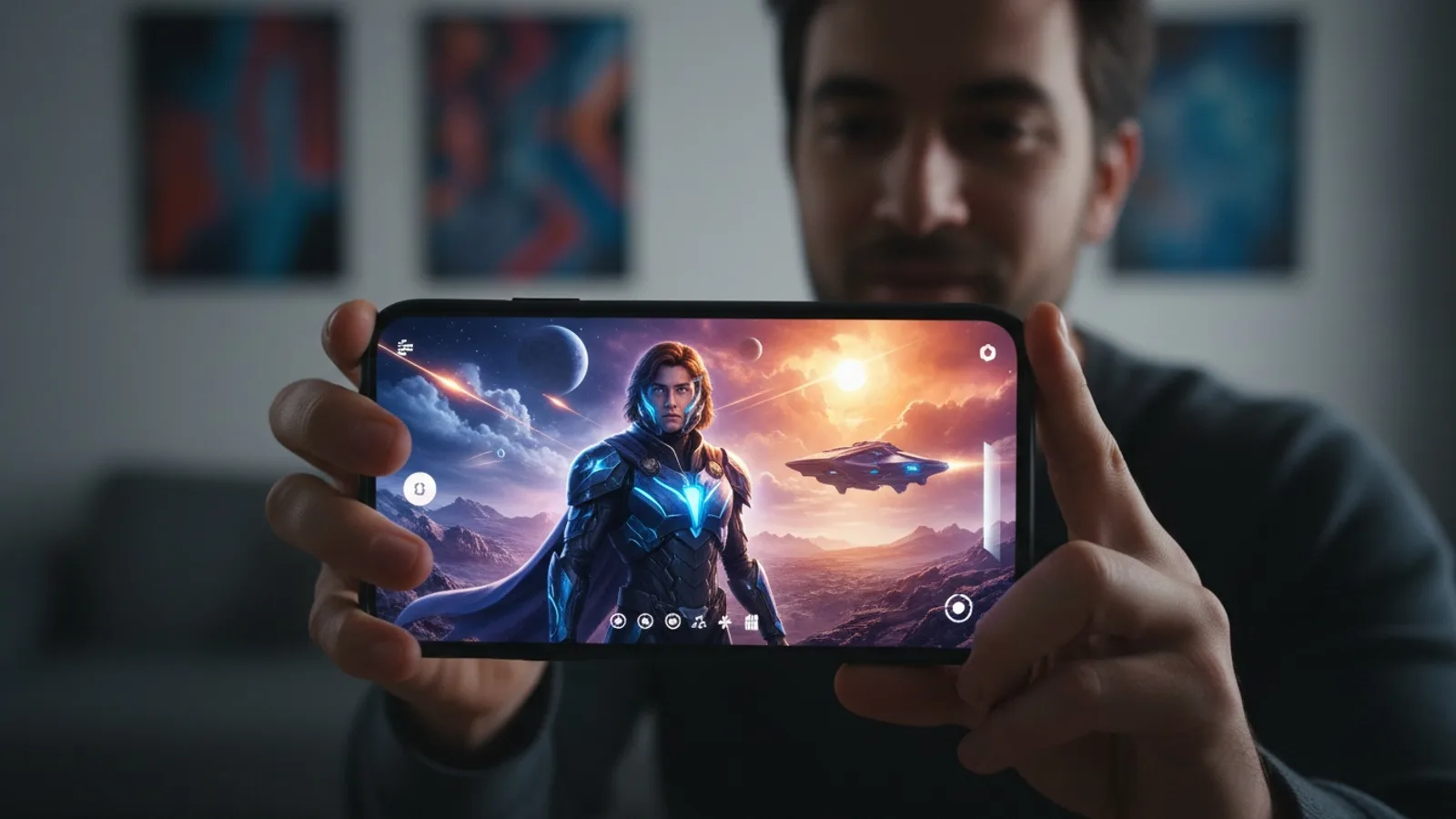
If you've tried AI storytelling, you know the frustration. You type a long prompt, wait for a single, unchangeable video, and often get something that misses the mark. Why Cinely works differently is in the details. It's not a one-shot generator; it's a creator tool built for control, interaction, and community. You are the director, not just the prompt engineer. You guide the narrative beat-by-beat, make choices that matter, and see your stories find an audience. The process is immediate and collaborative, turning your ideas into watchable series without the traditional barriers of video production. It’s about the creative freedom to iterate, the structural freedom to branch, and the practical freedom to earn from your work. If you're looking for a new creative home now that the Sora app is gone, our guide to choosing a Sora alternative for storytelling lays out what to look for.
You Direct the Action, Scene by Scene
The core of Cinely is directorial control. Unlike tools that generate one long video from a single prompt, you build your story scene by scene. You describe a moment—a tense standoff in a rain-slicked alley, a quiet confession in a spaceship corridor—and see it rendered. If a shot isn't right, you don't scrap the whole project. You regenerate that specific beat. This iterative process means you refine the visuals, the character expressions, and the pacing until they match your vision. It turns storytelling into an active, creative dialogue with the AI, where each decision shapes the final product. You're not waiting on a monolithic render; you're crafting a sequence, one perfect frame at a time.
A Practical Workflow Example: Imagine starting a /explore/mystery series. Your first scene is an establishing shot of a foggy London street. The AI generates it, but the mood isn't quite eerie enough. You click regenerate, tweak the prompt to "cinematic, film noir lighting, heavy fog obscuring lampposts," and get a new version instantly. Next, you add a close-up of a gloved hand picking up a cryptic note. You generate that. Then a reaction shot of the detective's face. You generate that. This piecemeal control is what allows for precise artistic direction, something impossible with bulk generation.
Your Choices Create Interactive Video Stories
This is where the magic of interactive storytelling comes alive. Your narrative can branch based on key decisions. Will the protagonist trust the mysterious stranger or go it alone? The choice isn't just described in text; it triggers a uniquely rendered video sequence for each path. This creates a deeply engaging experience for viewers, who become participants in the story's outcome. It’s the difference between telling a story and building a story world where multiple outcomes are visually possible.
How to Structure a Branch: Start with a pivotal decision point. In a /explore/horror story, this could be "Investigate the strange noise in the basement" versus "Barricade the door." You then create two separate scene threads stemming from that choice. The "investigate" path might lead to a rendered scene of a dark basement with something moving in the shadows. The "barricade" path might show the character frantically pushing furniture against the door as something pounds on the other side. Each path can have its own subsequent choices, creating a complex narrative tree. The key is to make choices meaningful and visually distinct, giving viewers a reason to go back and explore every option.
Become the Star of Your Own Series
One of the most personal features is the ability to cast yourself. Upload a selfie, and the AI can incorporate your likeness as the lead character in your stories. This isn't a simple filter; it's a way to truly step into the narratives you create. Imagine starring in your own action thriller, fantasy epic, or heartfelt drama. It personalizes the creative process in a way that goes beyond avatars, creating a direct and visceral connection between you and your work.
Getting the Best Results: Use a clear, well-lit selfie with a neutral expression for the most consistent character generation. Once your likeness is set, you can place "yourself" in any scenario. You could be a diplomat in a /explore/sci_fi negotiation, a hero wielding a sword in an /explore/fantasy battle, or the lead in a /explore/romance. The AI adapts your features to the style and costume of the genre. This feature is powerful for creating relatable vlog-style stories, personalized adventures for your social media, or simply seeing yourself in the stories you've always imagined.
Find an Audience and Earn from Your Creativity
Creating is one thing; being seen is another. Cinely has a built-in discovery platform: the Watch feed. When you publish your series, it becomes available to the community, allowing you to grow a following of viewers who enjoy your style. This integrated audience is key for any creator. Furthermore, you retain 70% of the unlock credits when viewers purchase access to later episodes of your series. This creates a direct monetization path for your creative effort.
The Creator Economy Model: Here’s how it works in practice. You publish the first episode of your series for free on the /watch feed to hook viewers. Episode 2 and beyond are locked, requiring a small credit unlock. A viewer who enjoys your work uses credits (purchased via /coins) to unlock the next episode, and you receive 70% of that transaction. This incentivizes crafting compelling serialized content that keeps audiences coming back. Popular genres like suspenseful /explore/action or dramatic /explore/slice_of_life are perfect for this model, building episode-by-episode anticipation.
A Platform Built for Storytellers, Not Just Prompts
Ultimately, the choice of tool defines your creative workflow. Cinely is structured around the narrative process—development, production, and distribution. The scene-by-scene direction gives you precision. The interactive branches give your stories depth. The self-casting gives them a personal touch. The Watch feed and revenue share give them a future.
Common Mistakes to Avoid: New creators sometimes try to generate too much in one prompt, losing the fine-grained control Cinely offers. Start small—master a single scene. Another mistake is creating branches that are too similar, which diminishes the viewer's incentive to explore. Ensure each choice leads to a clearly different consequence and visual experience. Finally, don't neglect the promotional aspect: use compelling thumbnails and descriptions for your series on your profile and the Watch feed to attract your initial audience.
It’s a coherent ecosystem for a new kind of digital filmmaker. Whether you're sketching out a quick comedic sketch for /explore/comedy or an elaborate multi-season saga, the tools adapt to your pace and ambition. The platform removes the technical friction of video production and replaces it with creative leverage. Ready to move from idea to audience? Your next story, and your potential to earn from it, starts at /create.
- How is Cinely different from other AI video generators?
- Most AI video tools generate one long, static video from a single prompt. Cinely lets you direct interactively, building a story scene-by-scene. You can regenerate any individual beat that isn't right and create branches where viewer choices lead to different, fully-rendered video outcomes. It's built for iterative control and interactive narratives, not just bulk output.
- Can I really make money with my Cinely stories?
- Yes. When you publish a series, it's available on the Cinely Watch feed. You keep 70% of the unlock credits when viewers purchase access to episodes beyond the first one. This provides a way to earn directly from your audience as your story library and follower count grow. It’s a direct creator revenue share model.
- How does casting myself with a selfie work?
- You upload a selfie through the Cinely [/studio](/studio). The AI then uses this reference to generate the lead character in your stories with your likeness. It's designed to integrate you into the narrative visually, allowing you to star in the adventures, dramas, or comedies you direct. A clear, front-facing photo yields the most consistent results.
- What kind of stories work best on Cinely?
- Serialized, choice-driven narratives thrive. Think genre stories like mysteries, romances, or sci-fi adventures that benefit from episodic hooks and meaningful decisions. The interactive branching feature is a major draw, so stories designed with pivotal choice points engage viewers most deeply and encourage them to unlock subsequent episodes.
Written with AI assistance and edited by the Cinely Team.