
Moral Story Video for Kids: Make One With AI
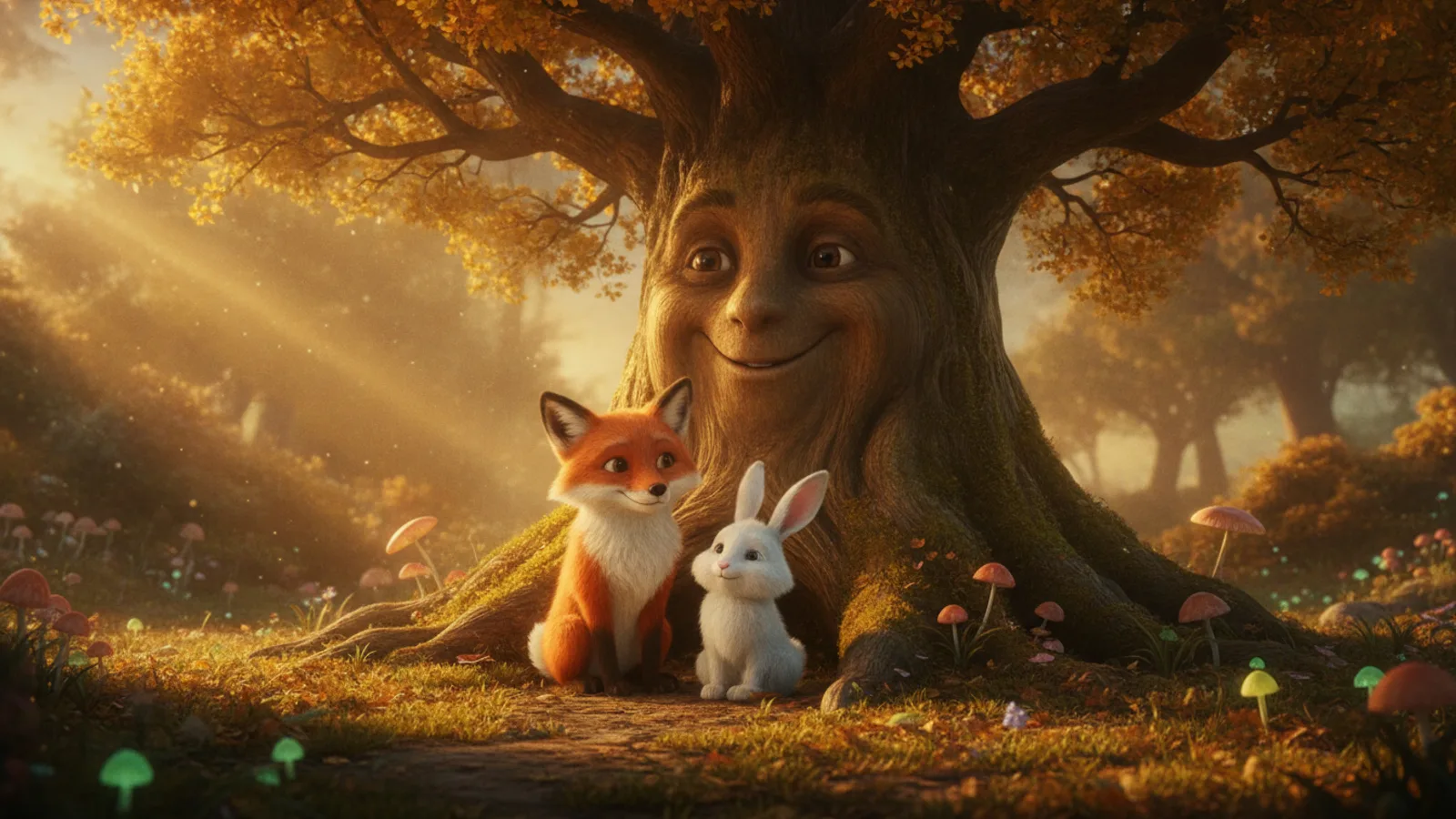
To make a moral story video for kids, type a fable or a lesson into Cinely's AI story video maker, write the moral in one line, and press Preview story: Cinely writes the tale, draws every scene and has one storyteller read it, ending on the moral. You read the whole story for free before you pay, so you know exactly what lesson your child will hear.
This guide covers how to set it up so the lesson lands, and then gives you 12 short moral stories (Aesop and the Panchatantra) you can type in tonight.
Why the moral comes last, and why that matters
A moral story only works if the lesson feels earned. Cinely builds every story video on the shape of a classic fable: an opening, the hero, a wish or a problem, attempts and setbacks, a turning point, the ending, and the moral. The moral is always the last 8-second clip. A very short story keeps only the beats a fable cannot do without; a 30-second video is four clips: the opening, the wish, the turn and the moral.
That is why the most useful field on the form is The moral (optional). Put your lesson there, in one line of up to 120 characters ("Tell the truth", "Kindness comes back", "Think before you speak"), and the story is written to earn it. The storyteller says it last and it is drawn on the final clip. If you leave it empty, the storyteller draws a moral from the tale.
A tip from writing many of these: keep the lesson out of the story field. Write "a crow who finds a jug with a little water at the bottom" in the story, and "Where there is a will, there is a way" in the moral. The story then shows the lesson instead of preaching it.
Step by step: a moral story video in five settings
- What story shall we tell? Up to 400 characters: the name of a classic ("The Lion and the Mouse"), a premise ("a little fox who learns to share") or a lesson you want to teach wrapped in a story ("a story that teaches my son to tell the truth").
- The moral (optional). One line. This is what your child repeats the next morning.
- Who is it for? Little ones (3–5), Kids (6–10) or Everyone. It sets the words, the pace and how gentle the story is.
- How is it told? Classic fable is the default: a storybook voice with a clear moral, the natural choice here. Bedtime is soft and slow and winds down; Playful is bright and funny.
- Storyteller's voice. Auto (fits the tone), Warm woman, Gentle man, Grandmother or Grandfather. One voice reads the whole story.
Then choose the length and press Preview story. You can also give the hero a name, and the storyteller will use it. With one clear photo of your child's face, your child becomes the hero and keeps the same face in every scene. Only a parent or guardian may add a child's photo, and it is used for that video only. Animal friends are described in words: a companion such as "a small round sparrow with a red scarf".
Two switches finish the job. Title and moral cards put the title on the first clip and the moral on the last. Read-along captions show the storyteller's words as subtitles, which helps children who are learning to read follow the lesson word by word. The story can be written and told in 17 languages, so a Hindi, Spanish or Portuguese moral story is one setting away.
How long, and what it costs
Every clip is 8 seconds, and a story is never cut short of its ending:
| Length | Clips | Standard | Cinematic |
|---|---|---|---|
| 30 s | 4 | 120 credits | 240 credits |
| 60 s | 8 | 240 credits | 480 credits |
| 90 s | 12 | 360 credits | 720 credits |
| 120 s | 15 | 450 credits | 900 credits |
| 180 s | 23 | 690 credits | 1,380 credits |
Cinematic quality needs Cinely Premium. For most fables, 60 seconds is the sweet spot: eight scenes give the hero room to try, fail and learn before the moral. New accounts get welcome credits and daily check-in credits, and more are on the coins page. Downloads made without Premium carry a small "Made with Cinely" badge.
The preview of the story, the title, the moral and every line of narration is free. Read it as you would read a book aloud. If a line is not right for your child, change the idea or the settings and preview again; approve only when you are happy. If a scene is blocked by the content rules, it is refunded.
12 short moral stories to turn into videos
Each title below fits in the story field as it is. The moral next to it is the traditional one; paste it into the moral field or write your own.
From Aesop
- The Tortoise and the Hare: slow and steady wins the race.
- The Boy Who Cried Wolf: tell the truth, or no one believes you when it matters.
- The Lion and the Mouse: kindness comes back, and no friend is too small.
- The Ant and the Grasshopper: prepare today for tomorrow.
- The Fox and the Grapes: don't pretend you never wanted what you could not have.
- The North Wind and the Sun: gentleness wins where force fails.
- The Goose That Laid the Golden Eggs: greed can lose you everything.
From the Panchatantra and Indian tradition
- The Thirsty Crow: where there is a will, there is a way.
- The Monkey and the Crocodile: keep calm and think fast when you are in trouble.
- The Clever Rabbit and the Lion: a sharp mind beats a strong body.
- The Tortoise and the Geese: think before you speak.
- The Blue Jackal: be yourself, because the truth comes out.
For a classroom set, make several of them in the same voice and audience so they feel like one series. For the youngest children, choose Little ones (3–5): the story is written without anything frightening, and even the lion or the crocodile is at most grumpy and is forgiven.
Your own moral story, for your own child
The classics are a start, but the strongest moral story is the one about the thing your child is going through this week. Some ideas that fit in one line:
- "A little elephant who is scared to say sorry to her friend" (moral: saying sorry makes you brave).
- "A boy who keeps all the crayons to himself until no one wants to draw with him" (moral: sharing makes two happy).
- "A puppy who wants to be the fastest and forgets to wait for his friends" (moral: winning together is better).
- "A girl who tells a small lie about a broken cup" (moral: the truth is lighter than a lie).
Name the hero after your child, add their photo if you like, and they walk through their own lesson. The bedtime version of this, softer and slower, is in our guide to the AI bedtime story generator.
What it will not do
Stories use no brands and no studio characters, so a famous cartoon hero cannot teach the lesson, but an original fox can. Real people and celebrities are not allowed either. A story video is a told tale: one storyteller, a title card and a moral card. If you want characters who speak in their own voices across many scenes or episodes, use the AI movie maker. To teach a fact rather than a value (counting, brushing teeth, the water cycle), the AI educational video maker is the better fit.
Start with one fable
Pick one story from the list, paste the moral, choose Kids (6–10) and Classic fable, and press preview in the AI story video maker. For a walk through every field, including art style, format and captions, read story to video AI, step by step. To see what other people have made, browse the catalog.
- How do I make a moral story video for kids?
- Open the AI story video maker, type the name of a fable or your own idea (up to 400 characters), write the moral in one line, choose who it is for and how it is told, then press Preview story. You read the whole story and the moral for free; credits are spent only when you approve.
- Do I have to write the moral myself?
- No. The moral field is optional (up to 120 characters). If you fill it in, the story is written to earn that lesson, the storyteller says it last and it appears on the last clip. Leave it empty and the storyteller draws a moral from the tale.
- Can it tell Panchatantra and Aesop stories?
- Yes. Type the name of a classic, such as The Thirsty Crow or The Monkey and the Crocodile, and it is told in its public-domain form. Aesop, the Panchatantra, Grimm and Andersen all work. Studio characters and brands are not allowed.
- How much does a moral story video cost?
- Every 8-second clip costs 30 credits in Standard quality, 60 in Cinematic (Cinematic needs Premium). A 30-second story is 4 clips (120 credits) and a 60-second story is 8 clips (240 credits). The preview of the story and the moral is free.
- Is it suitable for small children?
- Choose the audience Little ones (3–5) and the story is written with short words, a slow storyteller and nothing frightening: a villain is at most grumpy and is forgiven. You read every line before anything is made, and the video is marked as AI-generated.
Written with AI assistance and edited by the Cinely Team.