
Scary Audio Stories: Make a Ghost Story Told Aloud
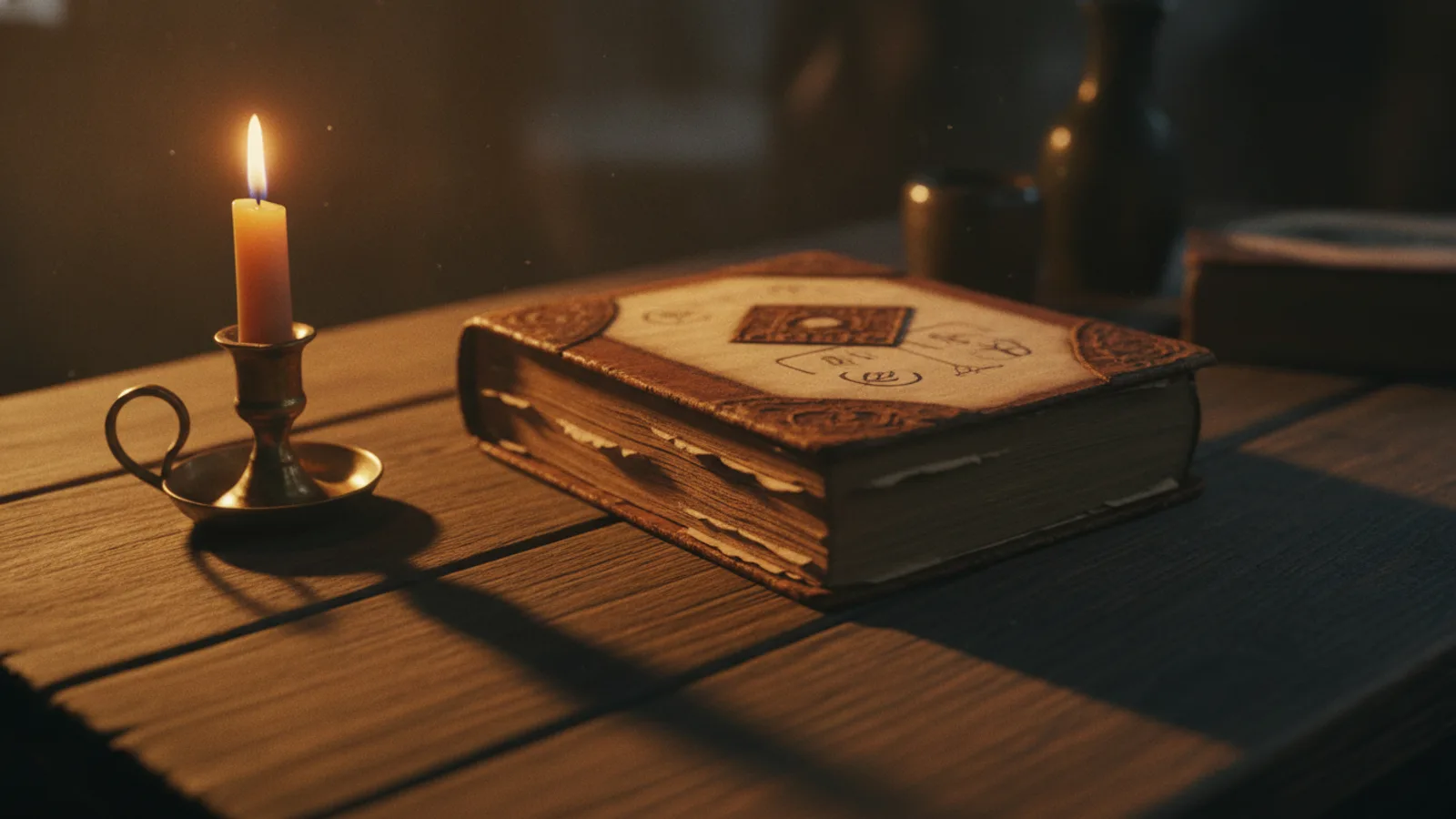
You can make your own scary audio story in a few minutes: type a creepy idea, and Cinely's AI audio story maker writes it to the length you pick, has a narrator read it with a separate voice for each character, and gives you an MP3 to play in the dark plus a video with eerie pictures. You read every word on a free preview before any credit is spent.
Most scary audio stories online are someone else's tale in someone else's voice. Making one yourself means the story is set in your town, the narrator sounds the way you want, and the ending lands where you decide. Here is what makes a ghost story work when it is heard instead of read, the settings to use, and ten prompts to start from.
What makes a scary story work out loud
A story heard in the dark plays by different rules from one read on a page. The listener cannot skim ahead, cannot look away, and fills every gap with their own fears. Use that.
- Start ordinary. The first minute should be calm and specific: a night shift, a rented cabin, a grandmother's empty flat. Fear needs something normal to break.
- Repeat one detail. A sound, a phrase or an object that comes back three times, a little wrong each time. "The tap was dripping" becomes "the tap had stopped".
- Keep the thing unseen. Footsteps above an empty floor are scarier than any monster described in full. Name what the character hears, not what it looks like.
- Write the sounds into the words. There is no music or sound-effect track: the audio is the narrator and the characters. A knock described well ("three knocks, slow, from inside the wardrobe") does more than a sound effect would.
- Give a character a line at the worst moment. A whispered "Did you hear that?" in a second voice breaks the narration and puts the listener in the room.
- End short. The last line should be one sentence, ideally a quiet one. Do not explain the ghost.
None of this needs gore, which is just as well: graphic gore is not allowed, and the "Dark tale" pictures are drawn eerie but never gory.
The settings for a horror audio story
Open the AI audio story maker and type the idea. The form even suggests "A ghost story told by the fire" as a starting point. Then set four things.
Length. 3, 5 or 10 minutes. A campfire story with one twist fits 3; a haunted-house story that builds slowly wants 5 or 10.
| Length | Pictures | Credits |
|---|---|---|
| 3 minutes | 7 | 90 |
| 5 minutes | 12 | 150 |
| 10 minutes | 24 | 300 |
Narrator. "Grandfather" is the classic ghost-story teller; "Gentle man" gives a calmer, colder telling. "More voices…" opens 30 catalog voices you can play before choosing, and "Record my voice" lets you tell the story yourself. The characters get their own voices, chosen for them by age and sex, never the narrator's, so a frightened child in the story sounds like a child. The guide to choosing an AI narrator for stories goes deeper.
Look. Pick "Dark tale": moody ink-and-wash pictures with heavy shadows and fog, a cold palette and one warm light, made for mysteries and ghost stories. Each part of the story, about 25 seconds, is read over one still picture that slowly zooms in. The same characters look the same in every picture, and no text is drawn into them.
Format. Landscape for YouTube, portrait for Shorts and TikTok. Subtitles of every spoken line are optional; leave them off if the video is for listening in a dark room, turn them on if people will watch with the sound down.
Ten scary story prompts to start from
A good prompt names who, where, what is wrong, and how it should feel at the end. Copy one, then change a detail so it is yours.
- The night bus. A driver on the last route notices the same passenger getting on at every stop, though nobody ever gets off.
- The baby monitor. A babysitter hears a second voice on the monitor, humming the lullaby she just sang, one beat behind.
- The lighthouse log. A new keeper finds the old keeper's logbook, and tonight's entry is already written.
- The lake that remembers. Every winter the village lake freezes, and every winter one more set of footprints walks out onto the ice and never comes back.
- Room 9. A hotel night porter keeps getting calls from a room that the hotel does not have.
- The mirror at the market. A woman buys an antique mirror; her reflection blinks a moment after she does, and the delay grows each night.
- The campfire guest. Four friends tell ghost stories around a fire; the fifth voice that joins in knows how each of their stories really ended.
- The snow visitor (for 8+). A boy builds a snowman that is a little closer to the house every morning. It only wants to come in from the cold. Eerie, with a gentle ending.
- The library after closing (for 8+). A girl locked in the school library hears the books whispering their endings to each other. Spooky, nothing violent.
- The folk-tale crossroads. An old woman at a crossroads offers travellers a lantern in exchange for one memory. The narrator is the last traveller who said yes.
Pick a mild prompt and the Storybook or Watercolor look for younger listeners, and read the preview yourself before a child hears it.
Read the whole script before it is voiced
Pressing "Preview story" costs nothing. The preview shows the title, the cast with the voice each character got, and every part: the narration, each spoken line, and what the picture will show. This is where you tighten the horror: if a part explains too much, or the ending is soft, ask the Agent to change that part. Credits are charged only when you press "Make the story".
If a part cannot be voiced, its share of the price is refunded; a story with no voiced part at all is refunded in full. When it is done you download Audio only (MP3) for headphones, a playlist or the car, and Video (MP4) for sharing. Videos from free accounts carry a small "Made with Cinely" badge; Cinely Premium removes it. New accounts get welcome credits and daily check-in credits, and you can buy coins for longer stories.
The rules for horror
Horror is welcome; some things are not. Stories cannot contain graphic gore, sexual content, real people or celebrities, or copyrighted characters, so a ghost story about a famous film villain or a living person will not go through. The prompt filter checks your text before anything is charged; if it stops a story, you see "This story could not be made as written. Change the idea." Original monsters and your own folklore are fine, and usually scarier.
When you want more than audio
An audio story is still pictures and voices. If you want moving scenes, an AI horror short film made in the AI movie maker is the next step. If you want the listener to choose what happens, try a horror AI RPG. And if you want to understand the storyteller itself, how a story is written, split into parts and cast, read AI storyteller: any story told aloud, with voices.
For a story to listen to tonight, open the AI audio story maker, type one creepy line, choose "Dark tale" and a low narrator, and read the free preview.
- Can AI make a scary audio story?
- Yes. In Cinely's audio story maker you type a creepy idea or paste your own story; it is written to 3, 5 or 10 minutes, read by a narrator with a separate voice for each character, and illustrated. You download it as an MP3 or as a video.
- Which settings work best for a horror audio story?
- The "Dark tale" look (moody ink, shadow and fog, eerie but never gory), a low, slow narrator such as Grandfather or a catalog voice you have listened to, and 5 or 10 minutes so the dread has time to build.
- Can it be gory?
- No. Graphic gore, sexual content, real people and copyrighted characters are blocked by a filter before anything is charged. Most good ghost stories do not need gore: what the listener imagines is scarier.
- Does the audio have music or sound effects?
- No. The audio is the narrator and the characters' voices. Write the sounds into the story itself (the knock, the creak, the dripping tap) and the narrator will make the listener hear them.
- How much does it cost?
- 30 credits a minute: 90 credits for 3 minutes, 150 for 5, 300 for 10. You read the whole script on a free preview first.
Written with AI assistance and edited by the Cinely Team.